Understanding the four connections of the golden thread in SOAP notes is one thing. Knowing where they live inside an actual progress note, and which connections belong in Subjective versus Assessment, is what turns the framework into a daily documentation habit. This post picks up where Part 1 of this series left off. Part 1 laid out...

Author: Rindie Eagle (Rindie Eagle)
What Does the Research Actually Say About Neurofeedback?
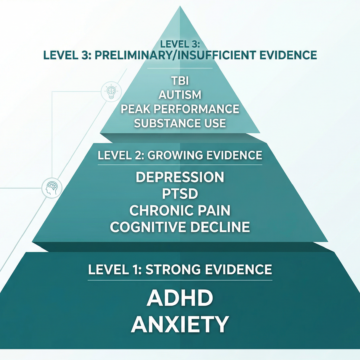
If you spend any time reading about neurofeedback online, you will find two versions of reality. One claims neurofeedback fixes everything from ADHD to trauma to chronic pain. The other dismisses it as expensive placebo. Neither version is accurate. The research paints a more nuanced picture, and clinicians considering this modality deserve to see it...
Three Neurofeedback Systems, One Practice: How BrainAvatar, NewMind, and MyndLift Work Together
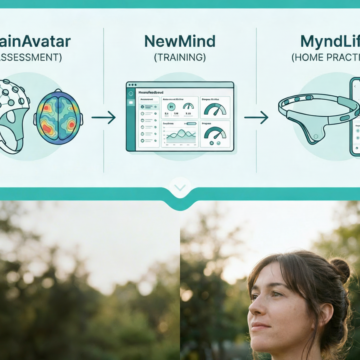
Three Neurofeedback Systems, One Practice: How BrainAvatar, NewMind, and MyndLift Work Together One of the first questions clinicians ask when setting up a neurofeedback practice is which system to buy. The honest answer is that no single system does everything well. I use three platforms in my practice, each handling a different phase of client...
Ideal Client for Therapists: A Definition Guide
# How to Define Your Ideal Client as a Therapist (and Why It Matters) There is a moment most therapists recognize but rarely talk about. You check the schedule, see a particular name, and feel something shift. Maybe your energy lifts. Maybe it drops. You show up either way. You do your best work either...
Define Your Therapy Niche With a Bio Strategy
# Define Your Therapy Niche and Write a Bio That Attracts the Right Clients Most therapist bios read like they were written by committee. “I provide a warm, supportive environment for individuals, couples, and families dealing with anxiety, depression, trauma, life transitions, grief, relationship issues, self-esteem, and stress.” The list covers everything. It communicates almost...
Why You Can’t “Just Snap Out of It” (Neuroscience Explains)
Someone has probably told you to just think positive. To snap out of it. To choose happiness. And you’ve probably tried. Maybe you’ve tried hundreds of times. The fact that it hasn’t worked doesn’t mean something is wrong with you. It means the advice was wrong. Neuroscience research from UCLA and other institutions has shown...
The Golden Thread in Therapy Notes: What Auditors Are Looking For
Graduate programs cover theory, technique, and ethics thoroughly. Documentation gets a module or two, sometimes a practicum requirement. The golden thread in therapy notes gets essentially nothing, because it sits at the intersection of clinical practice and insurance requirements, and most programs treat those as separate conversations. Clinicians leave training with strong clinical reasoning already...
SOAP Notes for Therapists: What Auditors Are Looking For in Each Section
SOAP is an acronym for the four sections that structure a therapy progress note: S (Subjective): What the client reported about their symptoms, experiences, and functioning. O (Objective): What the clinician observed or measured during the session. A (Assessment): The clinical reasoning that connects diagnosis, treatment, and progress. P (Plan): The forward-looking treatment direction and...
Medical Necessity in SOAP Notes: How to Write It Section by Section
Knowing what the four elements of medical necessity in SOAP notes require is one thing. Writing them into a progress note consistently, at the end of a full caseload day, is another. This is Part 2 of the series. This is where the concept tends to stall. Part 1 of this series laid out the four elements...
Medical Necessity in Therapy Notes: What Insurance Auditors Are Actually Checking
After Renee’s audit, the question I heard most often was a simple one: what does medical necessity in therapy notes actually mean, and how do you prove it? This is Part 1. Read Part 2: How to Write Medical Necessity Into Each SOAP Section. Most of us were trained to document clinical care. We learned...