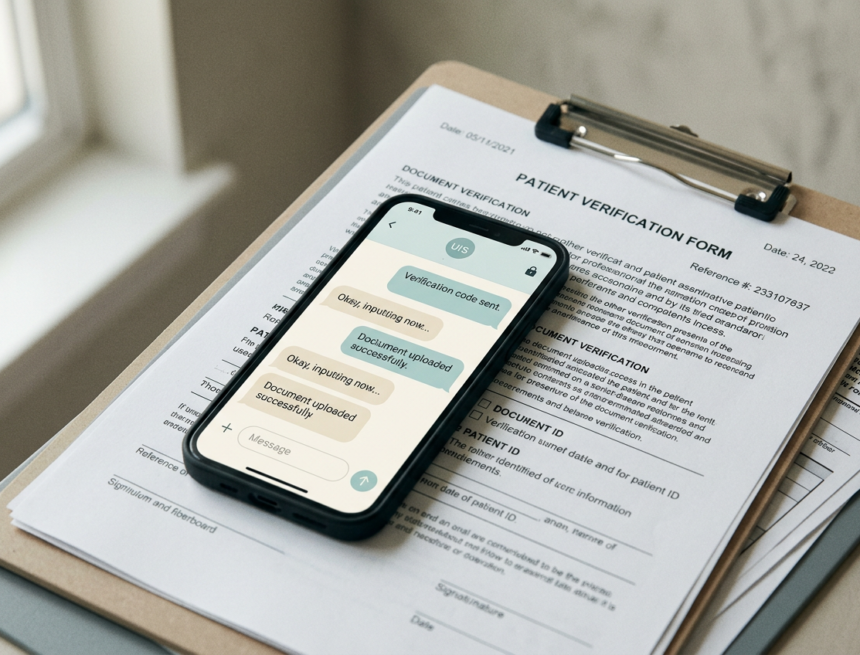
OpenAI launched ChatGPT for Clinicians, free for verified US clinicians. Therapists qualify. Here's what it includes, the HIPAA details, and how to set it up.

“Siloing” in Google Workspace: Preserving Privacy and Trust in an AI-Infused World
Explore the balance between AI integration and patient privacy in Google Workspace. Learn how ‘silohing’ your workspace can secure sensitive health information without compromising the benefits of AI. In a world where artificial intelligence (AI) permeates virtually every facet of our lives, maintaining the privacy and security of private health information (PHI) remains our primary duty. This is particularly pertinent...

Efficient Therapy Documentation: How to Write Notes That Are Fast and Audit-Ready
Efficient therapy documentation and audit-defensible documentation require the same four elements. The reason charting takes too long is usually a structural mismatch, not a thoroughness problem. This post shows how to document what auditors check in about three minutes per note.

What the Modern Therapist Newsletter Is (and Why I Started It)
A bi-weekly letter for therapists who have ideas but get stuck at execution. AI tools, tech workflows, and small systems I'm actually using, with the friction included. Here's what to expect.
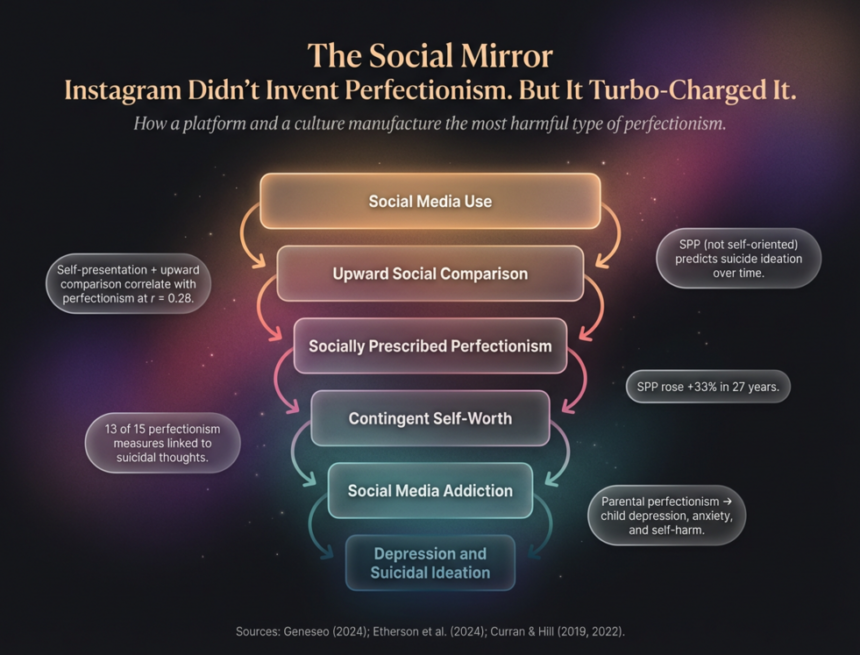
How Instagram Turbo-Charged the Worst Kind of Perfectionism
How Instagram Turbo-Charged the Worst Kind of Perfectionism Not all perfectionism hurts the same. The research is clear about this. Self-oriented perfectionism (your own high standards) is painful but can sometimes drive useful work. Socially prescribed perfectionism, the belief that other people require you to be perfect, is the one consistently linked to depression, eating disorders, addiction, and suicidal ideation....
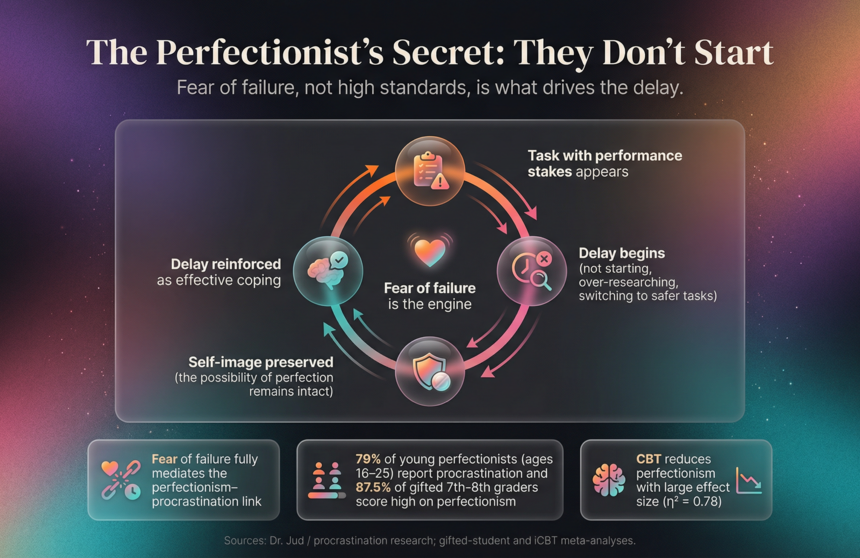
The Perfectionist’s Secret: They Don’t Start
The Perfectionist’s Secret: They Don’t Start Perfectionists are supposed to be the over-workers. The ones who grind. The ones who cannot stop polishing a thing. They are often also the ones who have not started. This is the quiet paradox that shows up in the research on perfectionism and procrastination. The same person who pulls all-nighters on one project has...
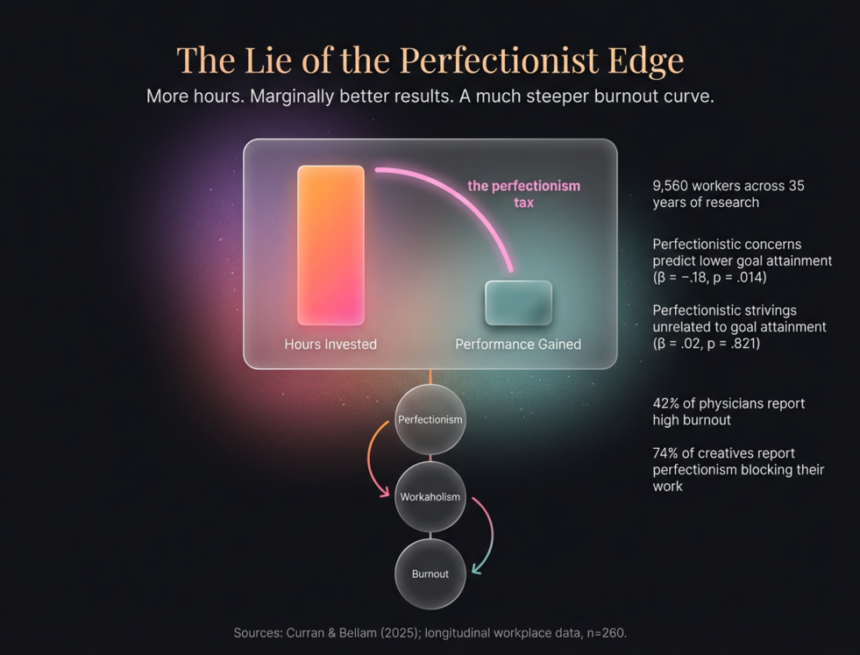
Perfectionism Is Not Making You Better at Your Work
Perfectionism Is Not Making You Better at Your Work The cultural script is that perfectionists are your best employees. The high achievers. The ones who care so much they stay late. The research does not agree. A 2025 meta-analysis by Thomas Curran and Aishwarya Bellam looked at data from 9,560 participants across 35 years of workplace research. They wanted to...
Perfectionism Is Rising: What 30 Years of Data Say About Why We Feel So Awful
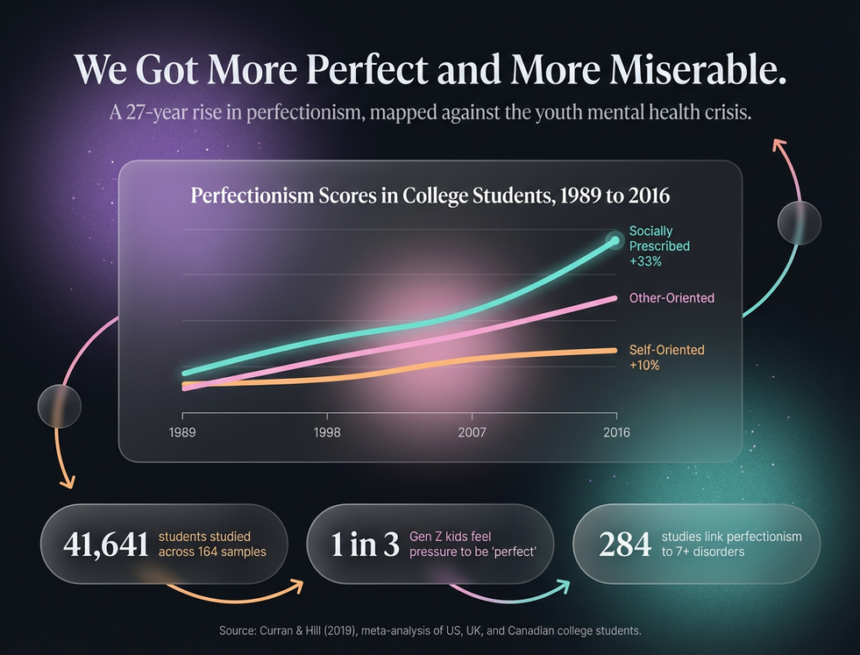
Perfectionism Is Rising: What 30 Years of Data Say About Why We Feel So Awful Perfectionism is the trait people still brag about in job interviews. It sounds like a weakness that is secretly a strength. The data say something different. Between 1989 and 2016, psychologists Thomas Curran and Andrew Hill pulled together 164 samples of American, British, and Canadian...
SOAP Notes Training: The 5 Documentation Mistakes and the 3-Minute Template
SOAP notes training is most useful when it names the exact patterns that create audit gaps. This post covers five documentation habits that consistently flag claims, how SOAP structure connects to the golden thread and medical necessity, and a 3-minute template that builds defensible notes into your routine.

5 Treatment Plan Mistakes That Make Auditors Look Twice
Most treatment plan documentation mistakes are fixable once you know what auditors look for. Here are five that consistently raise flags and how to correct them.